
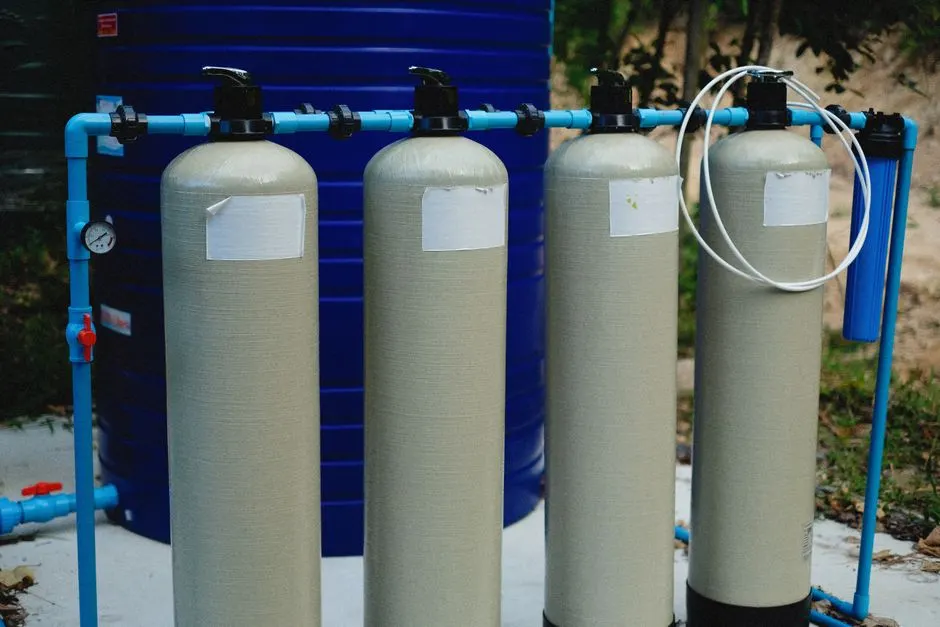
To thaw a frozen well pipe without damaging the pump, shut off power to the pump if it is running without building pressure, then warm only the accessible frozen pipe gradually with towels and safe electric heat. Never use a torch, pour boiling water on the pipe, or let the pump run dry while the blockage remains. These steps help you restore water while avoiding cracked pipe, electrical hazards, and avoidable pump wear.
As October gives way to Michigan's first hard freezes, exposed lines in crawlspaces, pump houses, and shallow entry points deserve attention. This guide explains how to locate the freeze, thaw an accessible section, protect the pump, and recognize when the problem needs professional equipment. Stop if you cannot identify the frozen section or if water is leaking.
How to thaw a frozen well pipe without damaging the pump is a safe thawing procedure that warms a blocked well-water line gradually while keeping the pump from running against a blockage or without water.
How to thaw a frozen well pipe without damaging the pump
Homeowners with a frozen well pipe in Michigan should first identify whether the blockage is in an exposed, reachable section, then thaw that section slowly while monitoring the pump. The safest approach is controlled warming-not force, flame, or repeated pump cycling.
Start by checking the faucets. If every faucet has little or no flow, the freeze could be in the line from the well, the pressure tank area, or a shared indoor section. If only one fixture is affected, the problem is more likely a branch pipe inside the house. Our team handles Frozen Pipe Repair in Michigan, including frozen well systems where a careful diagnosis matters as much as the thaw itself.
Look for pipe sections exposed to outdoor air: the well-house entry, an unheated crawlspace, a rim joist, or a pipe beside a drafty foundation opening. A freeze often forms at a bend, fitting, or narrow section where cold air reaches the pipe. Do not assume the well pump itself is frozen just because the taps are dry.
What to check when a well water line freezes
When a well water line freezes in Michigan, check the electrical supply, pressure gauge, exposed pipe route, and leak signs before attempting a thaw. These observations help separate a frozen line from a failed pump or pressure-control problem.
Note the pressure gauge reading near the tank. Many residential well systems operate around 30/50 or 40/60 psi, with the pressure switch turning the pump on and off at those settings. A gauge at zero with a pump that continues humming suggests a different risk than a pump that is silent and has no power.
- Check whether all taps are affected or just one area of the home.
- Listen for a pump that runs continuously, clicks repeatedly, or makes a new grinding or buzzing sound.
- Look for frost, bulging, damp insulation, or water around pipe joints and the pressure tank.
- Check the breaker once; do not repeatedly reset it if it trips again.
Michigan cold snaps can freeze a line where it passes through an unheated space even when the well casing and buried pipe remain below the frost line. The local risk varies with soil, snow cover, installation depth, and exposure. Homes around Kalamazoo and the southwest part of the state still need to protect shallow or poorly insulated well entries; Frozen Pipe Repair in Kalamazoo is a relevant local concern during sustained subfreezing weather.
Safe ways to thaw an accessible frozen line
Safe frozen well water line thawing uses gentle heat on a visible, accessible pipe while water is allowed to move as the ice melts. If you can reach the suspected section safely, open a nearby cold faucet slightly to provide an outlet and make a small trickle of flow visible once the obstruction clears.
Use warm, wet towels wrapped around the pipe, replacing them as they cool. A hair dryer on a low or medium setting can be used on a dry, accessible pipe if the area is not wet and the cord and outlet stay away from water. Keep the heat moving along the pipe and work from the faucet side toward the frozen area, warming a few inches at a time.
Give a short section 10 to 15 minutes of gentle heat before checking for progress. A stubborn freeze can take an hour or longer, especially in a cold crawlspace or a poorly insulated pump house. Do not leave an appliance unattended, and stop if you smell hot insulation, see a softened plastic pipe, or discover water near electrical equipment.
For a safe thaw, you can:
- Warm the room or enclosed space with a safe portable heater, following its clearance instructions and never leaving it unattended.
- Use an electric heating pad on a low setting only if the pipe material and product instructions permit it.
- Open cabinet doors or access panels to let household heat reach the pipe.
Professional equipment may be needed for a buried line, a pipe inside a wall, or a long run that cannot be reached. Our Frozen Pipe Thawing in Michigan service focuses on controlled thawing and checking the line as water returns, rather than applying intense heat to one spot.
What to watch out for while thawing
During well-system freeze troubleshooting in Michigan, the main hazards are open flame, electrical contact with water, pressure buildup, and a pump running without adequate water. A pipe can split while frozen and stay unnoticed until the ice melts, so keep watching the full accessible route as flow returns.
Never use a propane torch, blowtorch, charcoal heater, or other open flame. Direct flame can ignite nearby framing or insulation and damage plastic pipe, wiring, seals, or the pressure tank. Boiling water is also a poor shortcut: its abrupt temperature change can stress a cold fitting, and spilled water around electrical controls creates another danger.
Do not thaw a pipe you cannot see by heating the soil, well casing, or electrical components. Avoid striking the pipe or trying to force water through a suspected ice plug by repeatedly switching the pump on. If the breaker trips, the pump runs continuously, or the pressure gauge does not rise, switch off the pump circuit and call for help.
One short sentence about cost: typical 2026 pricing for a straightforward accessible thaw can fall around $150-$400, while difficult access, buried sections, leak repair, or pump troubleshooting can raise the total to $500 or more. The actual price depends on access, equipment, and what is damaged; we explain the work and price before proceeding.
How to protect the pump and check the system afterward
To protect a well pump while thawing a frozen pipe, prevent it from running continuously against a blockage and verify that water is reaching the pressure tank before returning the system to normal use. A pump should not be left running dry; even a brief period without adequate water can overheat some pump components or wear seals.
If the pump is running but no water reaches the taps, turn off its breaker or disconnect switch. If the pump is off and you are unsure why, do not repeatedly cycle power. A well technician can check the pressure switch, wiring, tank, and pump safely, especially when the controls are wet or damaged.
After the pipe thaws, keep the nearest faucet open until flow becomes steady and air sputtering clears. Inspect joints, elbows, and the pipe's underside with a flashlight. A hairline split can leak only after pressure returns, so check again after 15 minutes and once more later that day.
Watch the pressure gauge as the pump cycles. If it cannot reach its usual shutoff pressure, the pump keeps starting and stopping, or water pressure drops again, turn off the system and arrange a diagnosis. Those are signs a frozen well pipe may have damaged a fitting or revealed a pump or pressure-control fault.
When to call a professional
Call a well plumber for a frozen water line in Michigan if the frozen section is buried or inside a wall, the pump runs without building pressure, a breaker trips, or you find a leak. These conditions need more than household heat; continuing to operate the system can worsen damage.
Our technicians can trace the line, thaw a reachable blockage with controlled methods, and check for leaks and pump strain before restoring service. We also work on a Frozen Well Pipe Repair in Michigan problem when the line needs repair rather than a simple thaw. If you are in the Grand Rapids area, winter freeze exposure around crawlspaces and outbuildings makes Frozen Pipe Repair in Grand Rapids a practical local service to know before a cold snap.
Call promptly if there is standing water near electrical equipment, a cracked pressure tank, or a pump that will not shut off. We will help you decide what to turn off and what needs inspection, without asking you to keep testing a system that may be damaged.
Frequently Asked Questions
Can thawing a frozen well pipe damage the pump?
Yes, thawing can contribute to pump damage if the pump runs dry or cycles repeatedly while ice blocks the line. Turn off power if it runs without pressure, use gradual heat only on an accessible pipe, and check the system after flow returns. Never direct flame or intense heat at the pump, pressure switch, or tank.
Should I turn off a well pump if its water line is frozen?
Turn it off if it runs continuously without delivering water, makes an unusual noise, or fails to build pressure; do so at the breaker or disconnect. A pump that is simply idle does not always need to be shut off, but do not repeatedly switch it on to test a frozen line. If unsure, leave it off and call a well professional.
How do I tell whether a well pipe or pump has frozen?
If the pump sounds normal and the pressure gauge changes but no water reaches the house, a frozen line is possible. A silent pump, tripped breaker, unusual humming, or pressure that stays near zero can indicate an electrical, switch, pump, or water-supply problem. Check all taps and the gauge, but avoid opening electrical controls.
When should I call a plumber for a frozen well line in Michigan?
Call the same day if the frozen pipe is underground or inaccessible, the pump runs for more than a minute without building pressure, or you see a leak. Call immediately for water near electrical equipment or a repeatedly tripping breaker. Michigan freeze-thaw weather can expose a split once ice melts, so inspect the line after flow returns.
What are signs a frozen well pipe has damaged the pump?
Watch for persistent humming, grinding, rapid cycling, a breaker that trips, or pressure that fails to recover after the line thaws. A pump that runs continuously or cannot reach its normal shutoff pressure also needs attention. Turn off power if these signs appear, then have the pump and pressure system checked before regular use.
Get help with Frozen Pipe Repair in Michigan
If your well line is frozen, leaking, or leaving the pump running without water, Michigan Frozen Pipe Pros can help locate the blockage and protect the system. Call +12313851143 for service.