
Logo
Get Estimate

Frozen Well Pipe Repair in Michigan

Restore your water without risking your well pump


Frozen Well Pipe Repair in Michigan gets water moving again for homeowners and property managers with a frozen line between the well and the house. Our team locates the blockage, checks for a split, and thaws or replaces damaged pipe while protecting the pump and pressure system. If your taps have gone dry or pressure has dropped as October temperatures fall, call us before thawing creates a leak.

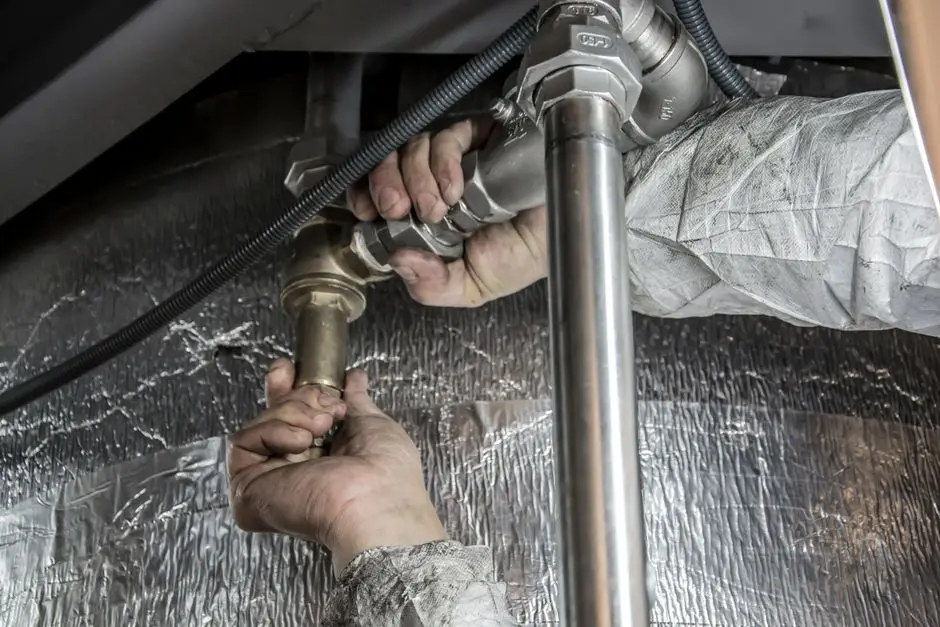
Close-up of a plumber's hands installing steel pipes indoors, showcasing skilled manual work.
Licensed Licensed & Bonded
Fully Insured Insured & Bonded
24/7 Emergency Same-Day Response
Warranty Backed Workmanship Guaranteed

What Frozen Well Pipe Repair Includes

Frozen Well Pipe Repair covers diagnosis of the well-to-house water line, controlled thawing, and repair of accessible freeze damage. We check the pump and pressure response so a line problem is not mistaken for equipment failure. If the pipe is buried or requires a longer replacement, we explain the additional work and price before proceeding.

Line and Pressure Diagnosis

We check the well-to-house route, exposed pipe, shutoff valves, pressure gauge, and fixture flow to narrow the fault. This helps identify whether you have a frozen line, a pump issue, or a pressure-system problem before repair begins.
Controlled Pipe Thawing

We apply measured heat to the frozen section and monitor the pipe as flow returns. The method is selected for the pipe material and access conditions, avoiding open-flame shortcuts that can damage the line or nearby building materials.

Freeze-Damage Repair

If thawing exposes a split, damaged fitting, or failed section, we isolate and repair it with compatible materials. We inspect the surrounding area for signs of leakage so restored pressure does not leave water running into a crawlspace or utility room.

Operational Testing

After repair, we restore the supply gradually and check for steady flow and visible leaks. When appropriate, we pressure-test the repaired section and confirm that the pump cycles normally, giving you a clear indication that service has been restored.

Prevention Recommendations

We identify exposed pipe, air leaks, or failed heat cable that contributed to freezing. Recommendations may include insulation sleeves or correctly selected heat cable, based on the route and conditions at your property rather than a one-size-fits-all approach.

Frozen Well Pipe Repair in Michigan Explained


Frozen Well Pipe Repair in Michigan is a plumbing service that locates, thaws, and repairs a well water line blocked or damaged by freezing temperatures. We inspect the well-to-house route, identify the frozen section, and check the pressure tank, fittings, and exposed connections before choosing a repair. A controlled pipe thawing machine helps restore flow without open flame; an infrared thermometer helps us track temperature. If a cracked section leaks during thawing, we isolate it and replace or repair the affected pipe, then pressure-test the line.

Michigan's October cold snaps and long winter freezes put shallow, exposed, or poorly insulated water service lines at risk, especially where a pipe enters a crawlspace or crosses an unheated outbuilding. Frozen water supply pipe symptoms include weak flow at several fixtures, a pump that cycles without restoring pressure, or no water at all. Our frozen well pipe repair for Michigan homes begins with the route and symptoms, not guesswork. We use Michigan frozen well pipe repair methods suited to the pipe material, installation depth, and access.

What to Expect During Repair

Frozen well water line repair service Michigan residents call for starts with a practical diagnosis and ends with a tested water supply. We explain each stage, protect the work area, and keep you informed as the line is exposed, thawed, or repaired. Many accessible jobs take two to four hours; buried or difficult-to-reach lines take longer.

01

Schedule

Call or book online — a real human picks up and confirms a 2-hour arrival window.

02

Diagnose

Licensed tech inspects on-site, then walks you through the cause and your options.

03

Fix

The job is completed to code and done right the first time — no shortcuts, no surprises.

04

Guarantee

Every job backed by a written workmanship warranty — and we stand behind it.

Tools and Repair Methods

Tools & Equipment

Pipe thawing machine

We use controlled electrical thawing equipment suited to the accessible pipe and connection points. The technician monitors the line as ice releases and checks for leakage rather than applying uncontrolled heat.

Infrared thermometer

This tool helps us compare surface temperatures along an exposed run and track where cold is concentrated. It supports safer, more focused thawing and helps confirm that warming is progressing.

Pipe locator

A locator helps trace a buried service route before excavation. Finding the line first can reduce unnecessary digging and gives us a better chance of accessing the frozen section directly.

Pressure test pump

We use a pressure test pump when the repair requires a measured check of the isolated section. Testing helps reveal leakage at a repaired joint before the system returns to ordinary use.

RIDGID pipe inspection camera

Where access and pipe configuration allow, an inspection camera helps assess an interior route or identify an obstruction. It supplements, rather than replaces, pressure checks and direct inspection of exposed connections.

PEX crimping tool

For compatible PEX repairs, a crimping tool makes secure connections with matching fittings. We select the connection method for the installed pipe and verify the repair for leakage after restoring pressure.

Methods & Standards

Controlled sectional thaw

We identify the likely frozen segment and warm it in stages while watching temperature, pressure, and flow. This keeps heat focused and gives us a chance to spot a leak as ice clears. If the pipe is damaged, we stop treating the issue as a thaw-only call and repair the compromised section.

Route-first diagnosis

We trace the line from the well to the building, checking accessible transitions before opening ground or walls. A pipe locator can help establish the buried route, while system pressure and fixture symptoms narrow the likely blockage. This approach limits unnecessary access and keeps the repair tied to evidence.

Material-matched repair

We identify whether the affected run is PEX, copper, CPVC, or another installed material, then use compatible fittings and joining methods. The repair is secured, inspected, and tested under pressure as appropriate. Matching the system helps avoid a temporary patch that creates another weak point.

Code-aware system check

We complete plumbing work with applicable Michigan Plumbing Code requirements in mind and keep electrical heat protection separate from water-line connections. After repair, we check flow, leaks, and pump operation. If prevention work is recommended, we consider manufacturer instructions and the conditions around the pipe.

When to Call for Well-Line Repair

01

You open several taps on a cold morning and get no water, while the well pump continues to run.

What we do: We check the pressure gauge, pump cycling, and exposed sections before tracing the service line toward the house. If the line is frozen, we thaw it in controlled stages and check for a split as pressure returns. If pump operation points to another fault, we explain that finding before replacing parts.

→ You know whether the problem is a frozen line or equipment fault, and the repair targets the cause rather than relying on guesswork.

02

Water pressure drops after a sharp October temperature fall, especially near a crawlspace or unheated entry.

What we do: Our technician inspects the foundation transition and nearby pipe for cold-air exposure, then measures temperature around the likely freeze point. We clear the blockage carefully and check the line for leaks, including at joints that may have shifted during freezing.

→ Flow returns with the vulnerable entry identified, so you can address insulation or air leaks before colder weather settles in.

03

A thawed line starts leaking near the house foundation or inside a utility area.

What we do: We isolate the leaking section, protect nearby materials, and remove the damaged pipe or fitting. The replacement connection is matched to the existing material, and we restore pressure gradually to confirm it holds without feeding water into the building.

→ The leak is stopped and the well supply is tested, limiting further moisture damage while restoring usable household water.

04

Your rural property has a long buried run and water stops after several days of sustained freezing.

What we do: We locate the likely route and use access points and system symptoms to narrow the affected section before digging. Once exposed, we thaw or replace the damaged area, inspect nearby joints, and discuss protection for shallow or exposed portions of the line.

→ Targeted access helps avoid unnecessary excavation, and you receive a repair based on the actual line condition and depth.

How Well-Line Repair Works Across Michigan

Frozen Well Pipe Repair in Michigan has to account for more than the air temperature. Lake-effect snow and wind expose some properties to prolonged cold, while inland locations can see sharp overnight drops; Upper Peninsula communities face a longer freeze season than many southern areas. Rural homes often have private wells, long service runs, shallow sections, or outbuildings between the well and house. Older foundations and crawlspaces also leave pipe entries vulnerable to drafts. Our frozen well water line repair service Michigan approach starts by tracing the installed route and identifying the pipe material, depth, and access. We follow applicable Michigan Plumbing Code requirements and inspect safely around pump wiring and pressure equipment. For a homeowner needing emergency repair for a frozen well water line in Michigan, we prioritize restoring a safe supply, finding freeze damage, and testing the repair. Building layout and soil conditions vary, so an exposed entry may be repaired in hours while a buried break requires locating and excavation.

Neighborhoods We Serve

  • Muskegon lakefront and inland properties

    Wind exposure and lake-influenced cold can leave foundation entries and outbuilding runs vulnerable. We check the route for exposed transitions before deciding whether thawing alone will restore service.

  • Marquette residential areas

    Long cold periods make protected well entries and insulated crawlspaces especially important. We inspect for recurring freeze points and check that thawing has not opened a split in the line.

  • Farmington Hills homes

    Properties with additions, finished lower levels, or older utility entries can have concealed pipe transitions. We trace the well line and inspect accessible areas without assuming every home has the same layout.

  • Okemos and surrounding homes

    A mix of established homes and newer layouts means service-line access can vary. We check the foundation entry, pump pressure, and exposed pipe to distinguish a freeze from a system fault.

Local Conditions We Plan For

  • Lake-effect snow and wind chill around exposed well entries

    Drifting snow and wind can cool an entry point even when the buried line remains protected. We inspect the transition at the foundation and look for openings that let cold air reach the pipe before selecting insulation or heat protection.

  • Long buried runs serving rural homes and outbuildings

    A lengthy route can include shallow areas, changes in elevation, or inaccessible sections that complicate locating a freeze. We trace the line and use focused access to limit excavation, then check the repaired section and nearby joints.

  • Older crawlspaces with unsealed air leaks

    Cold air entering around vents, sill areas, or utility penetrations can freeze a pipe near the house even when the well itself is operating. We identify the exposed section and explain practical steps to reduce repeat freezing after the plumbing repair.

Restoring a Blocked Well Line

Before

A homeowner had no water at four fixtures after a cold overnight period. The pump ran, but pressure stayed low and the exposed line near the crawlspace entry felt extremely cold. There was no visible leak at first, so replacing the pump without checking the service line would have missed the likely blockage.

After

We traced the line, thawed the frozen section gradually, and found a leaking connection as flow returned. After replacing the fitting, we checked pressure and ran water at multiple fixtures. The household supply was restored, and the pump cycled normally during the final check.

Maintenance: Keep the foundation entry sealed against drafts and inspect accessible insulation before the next freeze. If pressure falls again or the pump begins cycling repeatedly, shut down the system if water is leaking and call for a line check.

Before

A property owner noticed water near the well-line entry only after temperatures began rising. Ice had concealed a split connection, and the pump continued to supply water. Moisture was starting to collect around the utility area, creating a risk of damage to nearby materials.

After

We isolated the line, removed the damaged fitting, and installed a compatible replacement. The repair was inspected as pressure returned, and we confirmed no visible leak at the connection. Water flow was restored and the wet area was addressed before further water could feed the leak.

Maintenance: Check the area around the entry after the first thaw and keep stored items clear of visible connections. Insulation should remain dry and fitted closely; wet or displaced material no longer protects the pipe effectively.

Before

Water stopped at a rural home with a long route between the well and house. The buried line crossed an area with limited access, and digging along the full route would have been costly and disruptive. The pressure symptoms suggested a blockage rather than a household fixture problem.

After

We traced the likely service route, narrowed the affected area, and opened a focused access point. The frozen section was thawed and inspected, then the line was tested for leaks and steady delivery. The repair avoided broad excavation and confirmed the well system was operating normally.

Maintenance: Keep a record of the line route and any access points created during repair. Before winter, check exposed transitions and confirm installed heat protection is operating according to its product instructions.

Fixing Frozen Well-Line Problems

A frozen well line can stop water throughout the house, but the blockage is not always the only damage. Ice can split pipe, loosen a fitting, or hide a leak until thawing restores pressure. We find the affected section, protect connected equipment, and repair the cause so the system works beyond the first return of water.

Problem

No water at every fixture after an overnight freeze

A full loss of flow leaves kitchens, bathrooms, and laundry without water, while repeated pump operation can strain equipment or conceal a separate fault.

Our Fix

We check pressure response and trace the water service line from the well toward the house. Once we locate the blockage, controlled thawing restores flow; if a leak appears, we isolate and repair the damaged section before completing a pressure and fixture test.

Problem

Low water pressure from a frozen pipe at the entry

A partial ice blockage restricts flow and can make showers and taps unreliable. Pressure may change quickly as the frozen section expands or begins to thaw.

Our Fix

We inspect the foundation entry, crawlspace, and nearby exposed pipe for cold-air exposure and ice buildup. We thaw the affected area gradually, check fittings for movement, and verify that flow remains steady at more than one fixture after the line clears.

Problem

A hidden split leaking as the well line thaws

Water can soak insulation, floor framing, or a basement wall before the leak becomes obvious. A running pump can continue feeding the damaged line.

Our Fix

We monitor the line as pressure returns and look for moisture at joints and accessible pipe. If we find a cracked pipe from freezing, we shut off the affected supply, replace or repair the damaged section, and test the work before restoring normal use.

Problem

Failed heat cable leaves an exposed pipe unprotected

An unheated or poorly insulated section can freeze again during the next cold period, repeating the loss of water and risking another split.

Our Fix

We inspect the cable and the vulnerable pipe route, then address the failed component and insulation gaps. If heat cable is appropriate, we install a suitable system according to its instructions and check that the pipe remains accessible for future inspection.

Water Restored, Damage Controlled

Water Restored, Damage Controlled

A frozen well line is more than an inconvenience: pressure can return suddenly as ice melts, exposing a split that was hidden by the blockage. We trace the cause, protect the pump, and confirm that the repaired system holds pressure before we leave. You get practical findings and a clear next step.

  • Safer Controlled Thawing

    We apply measured heat to the frozen section rather than using a torch or uncontrolled heat source. That reduces the chance of damaging PEX tubing, copper pipe, nearby wiring, or well equipment. Our team watches pipe temperature and checks flow in stages, so you know when water is returning and whether the line needs more than thawing.

  • Find Hidden Line Damage

    Ice expansion can leave a cracked pipe from freezing that does not show a leak until water starts moving again. We check accessible joints and the well-to-house route, then isolate and repair a leak before it soaks a crawlspace or basement. A pressure test confirms whether the line is holding after the repair.

  • Protect Pump Operation

    A blocked line can cause confusing pressure symptoms and unnecessary pump cycling. We distinguish a frozen well line from a pump or pressure-system fault before changing parts. That focused diagnosis helps prevent avoidable work and gives you a clear picture of whether the pump, pressure tank, or water line needs attention.

  • Plan Against Repeat Freezes

    After restoring service, we point out cold-air leaks, missing pipe insulation sleeves, and vulnerable entry points. When the layout supports it, adding insulation or self-regulating heat cable can reduce repeat freeze exposure. You receive recommendations tied to the actual pipe route, not a generic winter checklist.

Licensing and Work Standards

Licensed & Certified

  • Michigan Master Plumber License — issued by Michigan Department of Licensing and Regulatory Affairs
  • Michigan Journey Plumber License — issued by Michigan Department of Licensing and Regulatory Affairs
  • Michigan Plumbing Contractor License — issued by Michigan Department of Licensing and Regulatory Affairs
  • ASSE plumbing professional certifications — issued by ASSE International

Verified Reviews

Customer feedback Not stated

Our well stopped delivering water during a freeze, and the technician checked the line before blaming the pump. The frozen section was thawed carefully, a damaged connection was replaced, and the system was tested before the visit ended. We appreciated the clear explanation of the pressure readings.

Customer feedback Not stated

Water began leaking at the foundation entry as the line thawed. The crew shut down the supply, repaired the split, and checked the surrounding pipe for other weak points. They also showed us where cold air was reaching the line so we could address the cause.

Customer feedback Not stated

We had low pressure at every tap and were concerned about the well pump. The technician traced the service line and found ice near an exposed transition. After controlled thawing and a pressure check, water flow returned and the pump cycled normally.

Well-Line Repair Expertise

Well systems require more than warming a pipe: the well pump, pressure tank, check valves, and water service line all affect the symptoms you see indoors. Our team handles these parts as a connected system and adapts the repair to the pipe material and access conditions. Work is performed under applicable Michigan licensing requirements and the Michigan Plumbing Code, with attention to safe electrical separation around pump equipment. We explain whether your line needs thawing, a fitting repair, or replacement, then verify operation before restoring the area.

  • We distinguish a frozen well line from pump failure by checking pressure response, fixture flow, and whether the pump cycles under demand.
  • Our technicians use controlled thawing and temperature checks to reduce heat damage risk to plastic pipe, copper, wiring, and nearby equipment.
  • We inspect exposed transitions at foundations, crawlspaces, and well entries, where cold air often reaches the water line first.
  • Repairs match the existing pipe material and connection method, with compatible fittings rather than improvised couplings.
  • We test repaired lines for leakage and stable pressure, then explain which insulation or heat-cable changes address the cause.
Get Started Today
Well-Line Repair Expertise

Cities We Serve Across Michigan

Our statewide coverage brings well-line diagnosis and repair to communities with different winter exposure, property layouts, and service-line access. We adjust the approach for exposed entries, crawlspaces, rural buried runs, and colder northern conditions. If you need frozen well water line repair service Michigan residents rely on, our team serves the communities below and nearby areas across the state.

Muskegon

We check lake-exposed entries and crawlspace transitions for frozen sections, then thaw and test the well line. If ice has split a fitting, we repair it before restoring full pressure.

Farmington Hills

Our team traces the route between the well and house, including concealed foundation entries and utility areas. Diagnosis helps separate a frozen line from a pump or pressure-system fault.

Taylor

We inspect accessible service-line connections and house-side plumbing when several fixtures lose water. Controlled thawing and a leak check help restore flow without overlooking freeze damage.

Eastpointe

For a sudden pressure drop, we check the line entry, exposed pipe, and pump response. If a frozen section is found, we thaw it carefully and test the system as flow returns.

Okemos

We adapt the repair to the property's pipe route and access, checking crawlspaces and foundation transitions. A pressure test helps confirm the line holds after thawing or fitting replacement.

Marquette

Extended cold can expose weak points at well entries and unheated spaces. We locate the freeze, inspect the pipe as it thaws, and address any split before restoring normal use.

Wayne

Our technicians check whether low flow affects the whole property and trace the likely blockage before recommending parts. The repair ends with a leak inspection and a system operation check.

Owosso

We assess exposed transitions, pressure behavior, and the well-to-house route when water stops. If the line is buried, locating the route helps focus access on the affected section.

New Baltimore

Wind and cold around exposed entries can freeze a vulnerable section. We inspect the route, thaw the blockage in stages, and check for leakage as the line returns to pressure.

Beverly Hills

We check accessible utility areas and pipe entries to pinpoint a freeze without assuming every property has the same layout. Repairs are followed by flow and leak checks.

Charlotte

When several taps lose pressure, we test system response and trace the well line before changing equipment. Controlled thawing and repair restore service while protecting the pump.

Highland Park

Our team inspects the service-line route and house-side connections for cold spots or freeze damage. We repair leaks uncovered during thawing and verify steady water delivery.

St. Joseph

We account for exposed entries and changing winter conditions by checking the pipe route and nearby cold-air access. The repair includes a final inspection for leaks and normal pump cycling.

Hastings

For rural and residential properties, we trace the well-to-house route and narrow buried access before excavation. We thaw or replace the affected section, then verify pressure and flow.

Marshall

We diagnose no-water calls by checking the pump response, line temperature, and accessible connections. If freezing is responsible, we clear the blockage and inspect the line for cracks.

Frequently Asked Questions

Real answers to the questions we hear most often from local homeowners and property managers.

Who repairs a frozen well pipe in Michigan?
A licensed plumbing professional experienced with private well systems repairs a frozen well pipe in Michigan. Our team checks the line between the well and house, the pressure tank, and accessible connections before thawing or replacing damaged pipe. For frozen well plumbing repair near me in Michigan, share whether all fixtures are affected and whether the pump is running; those details help us narrow the fault. We test the repaired line and check for leaks before restoring normal use.
How do I thaw a frozen well water line without damaging the pump?
Do not use an open flame or force the pump to push water through a suspected ice blockage. Shut off power to the pump if you see leaking or hear abnormal cycling, and call a plumber to assess the line. We locate the frozen section and apply controlled heat while monitoring temperature and pressure. A plumber to thaw a frozen well pipe without damaging the pump checks the system as a whole and watches for a split as flow returns.
How much does frozen well pipe repair cost in Michigan?
Typical 2026 pricing ranges from $250 to $1,800 for accessible thawing and repair, with excavation or long pipe replacement costing more. The cost to repair a frozen well pipe in Michigan depends on access, pipe material, distance to the blockage, leak damage, and whether heat cable or insulation is needed. We explain the work and price before starting. A simple exposed-line thaw costs less than digging to replace a buried section.
When should I call a plumber for a frozen well pipe?
Call as soon as multiple fixtures lose water, pressure drops sharply, or the pump runs without restoring flow. A frozen line can split while thawing, so waiting for warmer weather can turn a blockage into water damage. If you see water near the well entry or hear repeated pump cycling, stop using the system and contact us. Emergency repair for a frozen well water line in Michigan is especially important when the line serves your only household water supply.

Related Well and Pipe Services

Emergency Frozen Pipe Repair

When a frozen well line leaves your home without water during a cold snap, emergency service addresses the blockage and any leak that appears as ice melts. We check the well connection and house-side plumbing, then prioritize restoring safe flow and preventing water from spreading into a crawlspace or basement.

View Emergency Frozen Pipe Repair

Frozen Pipe Thawing

Frozen pipe thawing restores flow when the line remains intact. We identify the affected section and apply controlled heat suited to the pipe material, monitoring for pressure changes and leaks. If thawing exposes a crack, we move directly to the necessary repair rather than treating restored flow as the end of the job.

View Frozen Pipe Thawing

Burst Pipe Repair

A burst well line can release water into a crawlspace, utility room, or trench once the ice melts. We isolate the damaged section, remove compromised pipe, and install compatible replacement material. Afterward, we test the connection and check that the pump and pressure system return to normal operation.

View Burst Pipe Repair

Frozen Pipe Leak Repair

A frozen pipe leak often becomes visible only after thawing begins. We locate the leak, shut off the affected supply, and repair the split or failed fitting before restoring pressure. This service pairs naturally with well-line thawing when water appears at the foundation entry or along an accessible pipe run.

View Frozen Pipe Leak Repair

Water Line Repair

Water Line Repair covers damaged or deteriorated sections beyond freeze-related problems. If inspection shows the well-to-house line has a persistent leak, corrosion, or a failed joint, we identify the affected route and replace or repair the section. Testing confirms the line delivers water without visible leakage.

View Water Line Repair

Frozen Water Main Repair

A frozen water main affects a larger supply route and can resemble a well-line blockage at the fixtures. We identify whether the fault sits in a private well service line or another main, then address the frozen or damaged section. Correct diagnosis keeps the repair focused on the responsible pipe.

View Frozen Water Main Repair

Restore Your Well Water Today

No water or falling pressure can signal a frozen line and hidden freeze damage. Our licensed plumbing team locates the blockage, repairs the affected pipe, and tests the system. Call now to schedule Frozen Well Pipe Repair in Michigan.

Call Now Call for Service

Contact Our Plumbing Team

Call Michigan Frozen Pipe Pros at +12313851143 for Frozen Pipe Repair in Michigan, including emergency calls throughout the day and night. Tell us what fixtures have lost water, where you see a leak, and whether the property has a well. We will help you take the immediate safe step and arrange service for your area.

Or call us right now at +12313851143 — we answer.

Michigan Frozen Pipe Pros


  • Phone

    +12313851143
  • Address

    Michigan

  • Hours

    Mon–Fri: 7AM – 7PM
    Sat: 8AM – 4PM
    Sun: Emergency Only
    24/7 Emergency Available

Call +12313851143 Get Quote
Call Quote