Pipe Condition Check
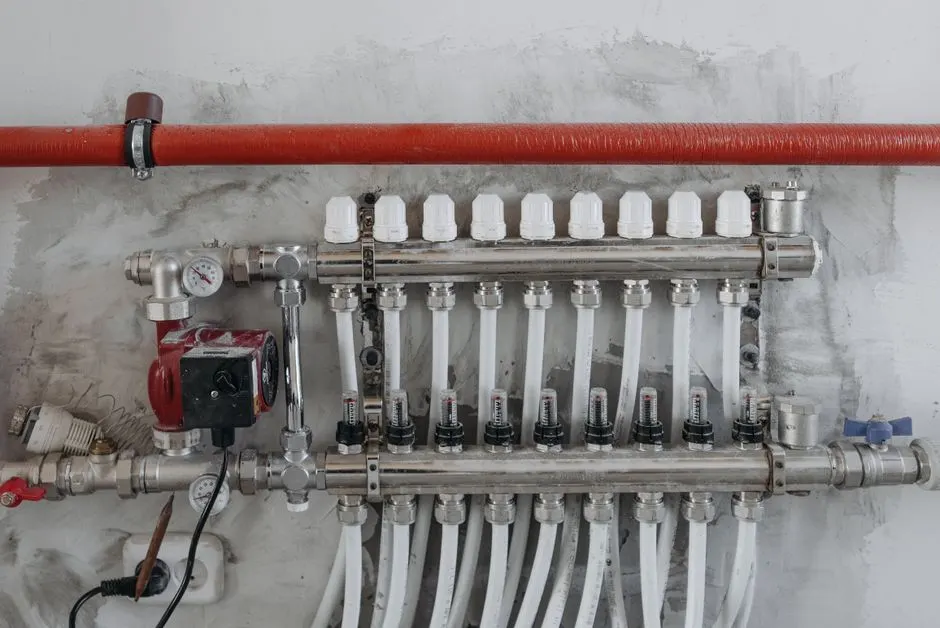
We inspect accessible pipe, fittings, and surrounding surfaces for leaks, corrosion, cracks, or moisture. This step confirms that the line is suitable for preventive cable and identifies repairs that should happen first.
We assess the vulnerable pipe, select compatible heat cable, route and secure it according to the product instructions, and verify operation. We also review insulation and show you the controls. If the inspection finds a damaged pipe, electrical changes, or concealed access needs, we explain that work separately before proceeding, rather than covering a problem with cable.
We inspect accessible pipe, fittings, and surrounding surfaces for leaks, corrosion, cracks, or moisture. This step confirms that the line is suitable for preventive cable and identifies repairs that should happen first.
We plan the cable route around the actual exposed section, keeping within product requirements for spacing and application. The layout avoids prohibited overlaps and preserves access to shutoff valves and connections.
We inspect sensor or thermostat placement, power connection, and accessible cable condition. After installation, we verify operation and show you where the controls are so you can recognize a fault or interruption.
We explain how to check visible cable, controls, and insulation before freezing weather. You will know what to do if water pressure drops, a pipe becomes wet, or the cable appears worn.
Pipe Heat Cable Installation in Michigan is a plumbing freeze-protection service that warms vulnerable water pipes when cold weather threatens freezing. We inspect pipe material, diameter, route, exposure, and nearby electrical access before selecting a compatible self-regulating heat cable or listed heat tape. The cable is secured according to its product instructions, then paired with suitable pipe insulation where appropriate. We check connections, controls, and pipe condition so your system addresses the cold spots without covering leaks or damaged plumbing.
Michigan homes face different freeze risks: a drafty crawlspace, an unheated garage, a north-facing foundation wall, or a long run beneath a seasonal property. Our heat tape installation for pipes Michigan customers request often follows repeated frozen water supply pipe problems or low pressure after a cold snap. We inspect the line and explain when to install heat trace cable for Michigan winter protection, before a freeze arrives rather than after a pipe has cracked.
Pipe Heat Cable Installation in Michigan follows a practical sequence: inspect the line, select compatible equipment, install it safely, and verify operation. We explain what we find in plain language and keep your access areas tidy. A straightforward exposed run often takes a few hours; concealed or damaged plumbing requires additional work.
Schedule
Call or book online — a real human picks up and confirms a 2-hour arrival window.
Diagnose
Licensed tech inspects on-site, then walks you through the cause and your options.
Fix
The job is completed to code and done right the first time — no shortcuts, no surprises.
Guarantee
Every job backed by a written workmanship warranty — and we stand behind it.
Infrared thermometer
We compare accessible surface temperatures along exposed plumbing to help locate a cold section. It guides inspection but does not replace checking the pipe itself or confirming cable compatibility.
Thermal imaging camera
Thermal imaging helps us see temperature patterns around accessible pipes and nearby surfaces. We use the pattern to focus the inspection, then verify conditions directly where possible.
Moisture meter
We check damp areas near a suspected freeze point to help identify a leak or prior water exposure. A wet pipe or surface needs evaluation before cable covers the area.
Southwire
We consider listed heat cable products and select one suited to the pipe and application. The product's own instructions determine approved materials, routing, controls, and insulation requirements.
Pipe inspection camera
Where pipe access allows, a camera helps examine an interior line when poor flow or a suspected obstruction accompanies the freeze. It supports diagnosis before we decide on repair or prevention.
Product-listed cable routing
We follow the selected cable's listing and instructions for pipe material, spacing, attachment, controls, and insulation. Product requirements differ, so we check the exact model before installation. Connections and controls remain accessible for later inspection.
Cold-spot diagnosis
We combine temperature checks with direct inspection of exposed plumbing and nearby drafts. This helps distinguish a vulnerable but intact pipe from a line that has already cracked or started leaking. We repair damage before installing prevention.
Code-aware plumbing assessment
When plumbing repair or alteration is involved, we consider applicable Michigan Plumbing Code requirements and the relevant plumbing provisions. Heat cable also has product-specific electrical requirements. We explain the work needed to keep the plumbing repair and cable installation appropriate to the job.
01
What we do: We inspect the full line, check pipe material and fittings, and locate the cold spot. If the pipe is sound, we install compatible cable and suitable insulation following product instructions. We also check for drafts that contribute to heat loss and point out the nearby shutoff.
→ The vulnerable section gets targeted protection, and you know how to inspect the cable and controls before and during winter.
02
What we do: We inspect the accessible line for a partial freeze, leak, or damaged joint. Once the pipe is serviceable, we plan cable routing for the exposed section, install it, and verify operation. If the pipe is cracked, we repair it before adding freeze protection.
→ You receive a tested solution for the cause of the pressure loss, not just a temporary response to the latest cold spell.
03
What we do: We review the pipe route, power source, control access, and winter-use plan. We install cable only where the pipe and product are compatible, then explain visible checks and shutoff access. If the building will be unheated, we help you consider the whole plumbing plan.
→ The protected line has a clear inspection routine, helping you catch a cable fault or leak before damage spreads.
Michigan's winter conditions vary widely, from wind-exposed northern properties to sheltered homes farther south. We assess the actual pipe location because a garage line, crawlspace run, and indoor basement pipe do not share the same freeze risk. Older homes can have plumbing along foundation walls or through additions that lose heat quickly; rural properties may have exposed well connections or outbuildings. These details shape cable choice, routing, and insulation. For Michigan pipe heat cable installation, we confirm pipe material, route length, and the cable's approved use before work begins. We consider applicable Michigan Plumbing Code requirements for plumbing work and follow the product's installation instructions for controls, spacing, and insulation. If the problem is a buried frozen water service line, interior heat tape is not a substitute for diagnosis. We serve communities statewide and plan the work around access, the property's freeze history, and the specific section that needs protection.
Basements and crawlspaces
Pipes close to foundation walls or in drafty crawlspaces need a route inspection before cable is chosen. We check clearance, moisture, and access to shutoff valves.
Garages and utility rooms
Unheated garages can expose a short section to rapid temperature changes. We inspect beyond the visible elbow and keep controls reachable after the installation.
Rural properties and outbuildings
Exposed well connections and seasonal buildings need a review of power, shutoff access, and winter use. We select protection based on the actual pipe location.
Wind enters through foundation openings and cools nearby plumbing
A small draft can create a cold point on an otherwise warm pipe route. We locate the exposed section and discuss cable, suitable insulation, or reducing the air path.
Sustained temperatures below 32 degrees Fahrenheit raise freeze risk
Pipes in unheated spaces can freeze during a prolonged cold period even if they survived a brief cold night. We recommend inspection and testing before sustained winter weather.
Snow and ice restrict access to exterior plumbing
A buried or covered line needs diagnosis before a cable remedy is chosen. We distinguish exposed interior plumbing from an underground service issue and recommend work suited to its location.
A pipe that freezes repeatedly needs more than a quick thaw. We identify the exposed section, check for damage, and determine whether cable is appropriate for that specific line. Early installation helps protect service before cold weather turns a small vulnerability into a burst pipe and water damage.
Problem
A recurring freeze can stop water service and split the pipe. Once it thaws, a leak can soak insulation and nearby building materials.
Our Fix
We inspect the pipe route, check fittings and moisture, and find where cold air reaches the line. If it is intact and cable-compatible, we install protection and review insulation placement. We verify flow afterward and explain which visible signs mean you should call for service.
Problem
Low pressure can indicate ice restricting flow inside the pipe. Leaving it untreated risks a complete blockage, a cracked line, or a leak during thawing.
Our Fix
We locate the affected garage run and inspect it for damage before recommending cable. We also check the nearby shutoff and controls for access. After installation or repair, we test water flow and explain how to check the protected section before each winter.
Problem
A frozen line can thaw and leak while the building is empty, allowing water damage to spread before anyone notices.
Our Fix
We assess exposed plumbing, power access, and the property's winter routine. Where the pipe suits the product, we install cable and show you its controls and visible inspection points. We also identify shutoff access so you can respond if the system fails or a leak appears.
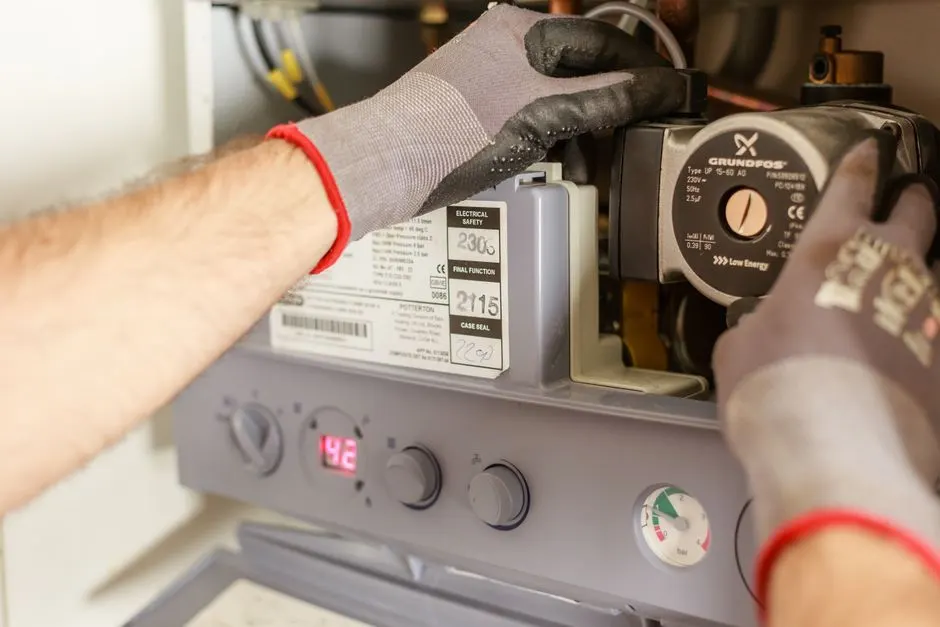
A properly matched cable protects a specific vulnerable pipe run; it does not replace sound plumbing or building weatherization. We focus on the locations that freeze first, then verify that the installation suits the pipe and exposure. You get a clear plan and a working safeguard before winter temperatures settle in.
Reduce Freeze Risk
Heat cable adds controlled warmth along exposed sections that lose heat quickly, such as lines in crawlspaces and garages. We measure the run and identify cold gaps rather than wrapping cable indiscriminately. Protecting the vulnerable section can help prevent a frozen water supply pipe and avoid the disruption of a burst pipe.
Match Cable To Pipe
Copper pipe, PEX tubing, and other approved materials need cable installed in line with the manufacturer's instructions. We check the pipe surface, cable rating, spacing, and insulation compatibility. This makes self-regulating pipe heat cable installation Michigan homeowners receive specific to the actual plumbing, rather than a one-size-fits-all approach.
Catch Damage Early
A freeze can expose a cracked pipe from freezing only after the ice begins to thaw. Before we install cable, we inspect for leaks, weak fittings, and existing damage. If the line is wet or pressure is abnormal, we address the plumbing issue first so a new cable does not conceal a developing leak.
Plan Before Cold Sets In
An inspection and installation before sustained freezing weather gives you time to correct insulation gaps and test the protected run. We help you identify the right seasonal window and explain basic checks to make during winter. That preparation is especially useful for vacant homes and water lines that are difficult to reach quickly.
Customer feedback Not published
The homeowner had a garage pipe freeze more than once. We inspected the fittings, installed cable on the exposed route, and showed the customer how to check the control. They appreciated knowing exactly which section was protected and what signs would mean the pipe needed attention.
Customer feedback Not published
A crawlspace line had caused low water pressure during cold weather. We identified the exposed section, checked for a leak, and installed a compatible cable system. The customer valued the clear explanation and the final test confirming water flow.
Customer feedback Not published
At a seasonal property, we checked an exposed supply line before the building was left unattended. The owner learned where the shutoff and cable controls were and what to inspect before winter. The installation addressed the specific pipe route rather than relying on a generic solution.
Heat cable is an electrical product installed around plumbing, so the pipe, cable, control, and power source all matter. Our team assesses the full run instead of treating a cold pipe as an isolated problem. We follow the cable manufacturer's listing and installation directions, and we consider applicable Michigan Plumbing Code requirements alongside relevant International Plumbing Code and International Residential Code provisions. Work requiring plumbing repairs is handled by appropriately licensed plumbing professionals. We do not guess at hidden conditions; we inspect accessible areas, explain the findings, and test the completed work.
We install pipe heat cable across Michigan, adjusting the inspection to the home's plumbing, exposure, and freeze history. In established communities, the vulnerable line may sit in a basement or garage; rural properties can have outbuildings and exposed well connections. Our heat tape installation for pipes Michigan service begins by tracing the route and checking pipe condition. We serve the communities below and nearby areas throughout the state.
We inspect garage and basement pipes in Sterling Heights, locate exposed sections, and install compatible cable with controls left accessible for winter checks.
In Wyoming, we check crawlspaces and utility rooms for vulnerable plumbing, then match the cable and insulation plan to the pipe material and exposure.
Royal Oak homes with basement pipes near cold foundation walls receive a route and condition check before we plan heat cable installation.
We assess Oak Park garage, basement, and addition plumbing for cold drafts, then test the cable system after installation.
Holt service includes checking exposed crawlspace and utility-room lines for leaks and freeze damage before selecting compatible cable.
We account for exterior-wall exposure and previous freeze locations when inspecting water lines and planning pipe heat cable in Monroe.
We check basement and garage plumbing in Grosse Pointe Woods and keep cable controls and shutoffs accessible after the work.
For Sault Ste. Marie properties, we assess exposed lines ahead of prolonged cold and choose protection suited to the pipe and location.
Farmington installations start by locating the cold spot and checking the pipe, then routing cable while preserving access to controls and shutoffs.
We inspect Alpena properties for wind-exposed plumbing and seasonal building risks, then test the installed cable and explain winter checks.
In Ecorse, we check basement and utility-room pipes for moisture, cold drafts, and access before installing a compatible heat cable system.
We target exposed garage and foundation-wall pipes in Center Line, confirm product compatibility, and verify water flow after installation.
Grand Ledge service includes checking crawlspace and exterior-wall pipe routes, with cable selection based on the line's condition and exposure.
We assess exposed water lines in Shields homes and outbuildings, inspect visible joints, and explain how to monitor the cable during winter.
New Haven customers receive a pipe-route inspection, compatible cable selection, and an operational check focused on the sections most likely to freeze.
Real answers to the questions we hear most often from local homeowners and property managers.
If a pipe freezes during a cold night, we locate the affected section, restore safe water flow, and check for cracks or leaks. After the immediate problem is addressed, we can assess whether cable and insulation will protect that same vulnerable run next winter.
View Emergency Frozen Pipe RepairWe thaw frozen plumbing with controlled methods and check the pipe as ice releases. A pipe thawing machine may be appropriate for certain lines, while other situations require a different approach. Once water flows, we inspect the vulnerable section and discuss preventive heat cable.
View Frozen Pipe ThawingA burst pipe needs prompt isolation and repair before heat cable can protect the line. We locate the damaged section, stop water loss, and restore the pipe with suitable fittings or replacement material. Then we assess what caused the freeze and whether a protected cable run is appropriate.
View Burst Pipe RepairA frozen pipe can leak as ice thaws, sometimes behind stored items or inside a crawlspace. We find the wet section, repair the leak, and check the surrounding plumbing. Once the pipe is sound, we can plan cable installation to reduce repeat freeze risk.
View Frozen Pipe Leak RepairIf a water line is split, corroded, or repeatedly freezing, repair may be more effective than protecting a failing section. We inspect the line, identify the damaged material, and restore service. Heat cable can then be considered for exposed, serviceable portions of the route.
View Water Line RepairA frozen water main or service line requires diagnosis before any heat cable is selected. We investigate the affected route and restore water safely, then identify whether the freeze point is accessible and suitable for additional protection. Buried lines need a different remedy than exposed interior plumbing.
View Frozen Water Main RepairCall Michigan Frozen Pipe Pros at +12313851143 for Frozen Pipe Repair in Michigan, including emergency calls throughout the day and night. Tell us what fixtures have lost water, where you see a leak, and whether the property has a well. We will help you take the immediate safe step and arrange service for your area.
Phone
+12313851143Address
Michigan
Hours
Mon–Fri: 7AM – 7PM
Sat: 8AM – 4PM
Sun: Emergency Only
24/7 Emergency Available