
Residential Frozen Pipe Repair in Brighton
Brighton homes include older properties near downtown, newer subdivisions, lake-area houses, and residences with crawlspaces or detached garages. That variety changes where a frozen line is likely to sit and how quickly it can be reached. A kitchen supply in an exterior wall, a laundry branch in a cold garage, or a well line entering a utility room all need a different diagnostic path. We provide emergency frozen pipe repair for homeowners who have lost water or found a leak after a freeze. We start by finding which fixtures are affected and whether water is escaping. Then we thaw the line safely, repair any split, and test it before restoring regular use. If you are preparing for winter, we can inspect vulnerable runs and install insulation or heat protection suited to your home.
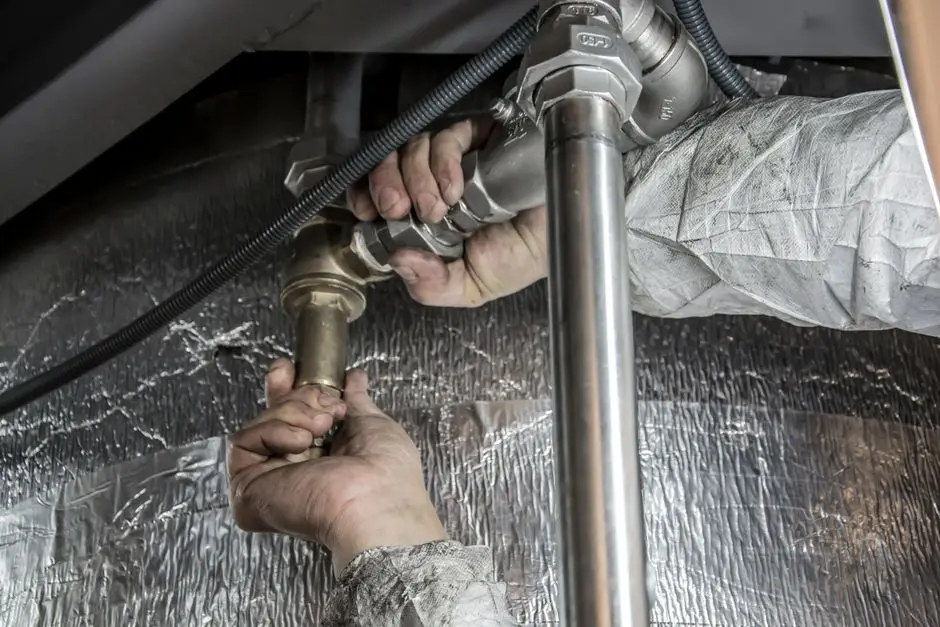
- Home pipe thawing and testing — We locate the frozen branch, thaw it in controlled stages, and check nearby fittings as water returns. In Brighton homes, the affected line may sit behind a kitchen cabinet, in a basement, or inside a garage wall. We test the fixture and shared supply before calling the repair complete.
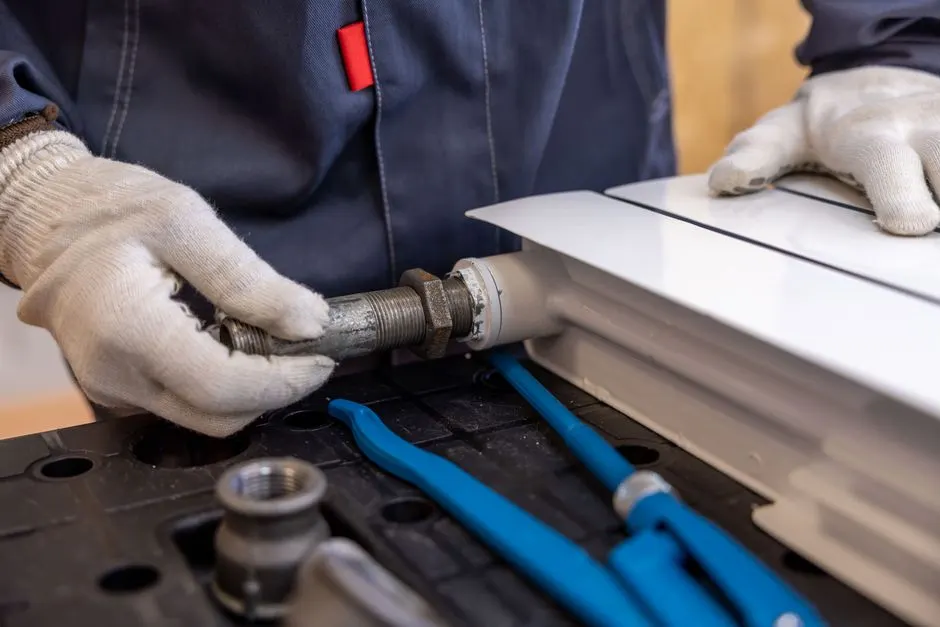
- Burst pipe replacement — If ice has split a pipe, we shut off the supply, remove the damaged section, and fit compatible replacement material. We inspect the surrounding area for water and check the repair under pressure. In Brighton, this work often follows a leak discovered during a winter thaw.
- Well line freeze repair — For a Brighton home on well water, we check accessible piping where the line enters the building and verify whether the restriction is upstream or inside. We thaw or replace the affected section and confirm that water pressure returns. We also inspect exposed connections that need seasonal protection.
- Winter pipe insulation upgrades — We protect vulnerable pipes in crawlspaces, garages, and utility areas with insulation or appropriately selected heat cable. In Brighton, the right solution depends on exposure, pipe material, and power access. We identify the cold run first so protection is targeted rather than added to plumbing that does not need it.