
Residential Frozen Pipe Repair in Newaygo
Newaygo homes face different freeze risks depending on age, layout, and how often the building is occupied. Older houses near downtown may have additions or utility routes changed over time, while homes outside the center can have crawlspaces, garages, or private-well plumbing to inspect. A frozen kitchen branch is disruptive; a split line can threaten floors, stored belongings, and finished rooms. We identify the affected fixtures, locate the accessible pipe route, thaw it safely, and check for leaks before restoring normal water use. Our Frozen Pipe Leak Repair addresses damage that appears as ice melts, and we can discuss insulation or heat cable for a specific vulnerable section. You will know which part failed and what we did to return it to service.
- Safe thawing for household branches — We thaw accessible supply lines serving kitchens, bathrooms, and laundry areas in Newaygo homes. First, we identify which fixtures are affected and protect the work area. As water returns, we inspect exposed joints for seepage. If the pipe remains sound, we verify flow; if it has cracked, we isolate it and explain the repair.
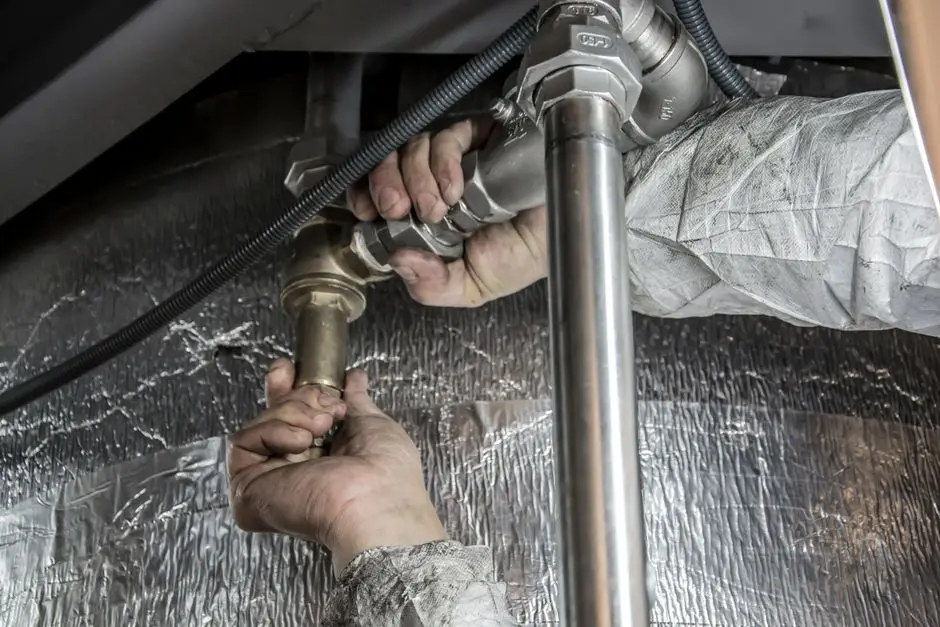
- Burst pipe and leak repair — If a pipe splits in your Newaygo home, we shut off water to limit damage, remove the failed section, and install a compatible repair. We check adjacent fittings and test the line after restoring pressure. You get a direct explanation of what failed and whether nearby plumbing needs attention.
- Private well supply diagnosis — For a Newaygo home on a private well, a loss of water can come from indoor plumbing rather than the well equipment. We check accessible supply routes and shutoffs before recommending work. Once we locate a frozen or damaged pipe, we thaw or repair it and verify that water reaches the affected fixtures.
- Targeted winter pipe protection — We identify exposed pipes in Newaygo crawlspaces, garages, and exterior-wall cabinets, then recommend protection suited to the route. That may mean correcting a draft, fitting insulation sleeves, or installing suitable heat cable. The goal is to protect the vulnerable line without adding unnecessary materials elsewhere.