

Residential Frozen Pipe Repair for St. Helen Homes
St. Helen homes range from year-round family residences to seasonal cabins and properties with detached garages or utility buildings. A freeze may affect one bathroom, a kitchen branch, or a long run to an outbuilding, so we check which fixtures still work before choosing a repair. Frozen pipe repair for a residential property includes safe thawing, burst-pipe replacement, leak checks, and practical prevention. If your home has a crawlspace or plumbing near an outside wall, tell us when you call. We can focus the inspection on the most exposed route and work to restore water while limiting disruption to floors, cabinets, and stored items.
- Home pipe thawing and testing — We thaw the frozen section serving your St. Helen home with controlled equipment, then check the pipe as water returns. If the line is intact, we verify steady flow at the affected fixture. If it has split, we isolate the supply and repair the damaged section rather than leaving you with a temporary thaw.
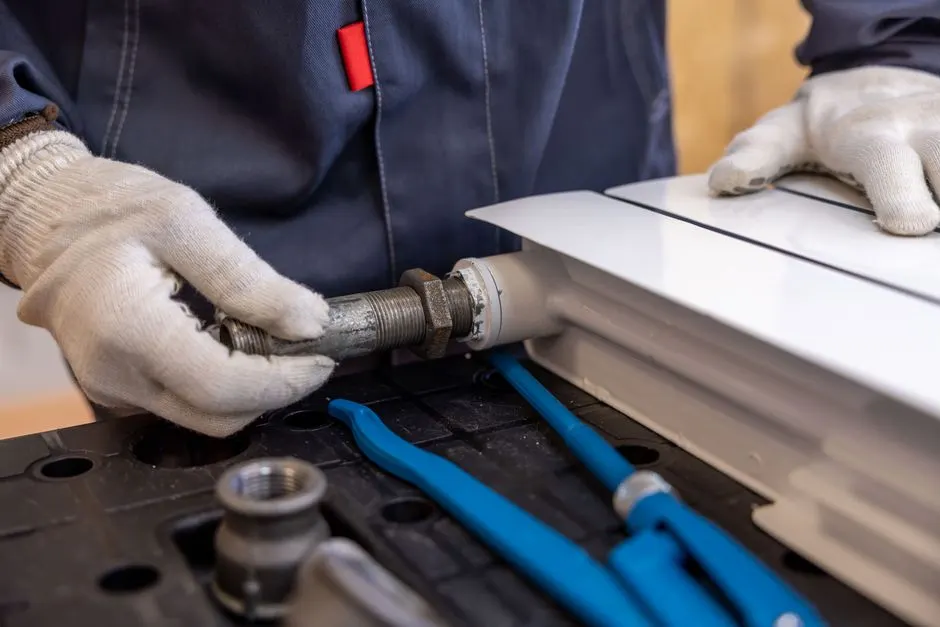
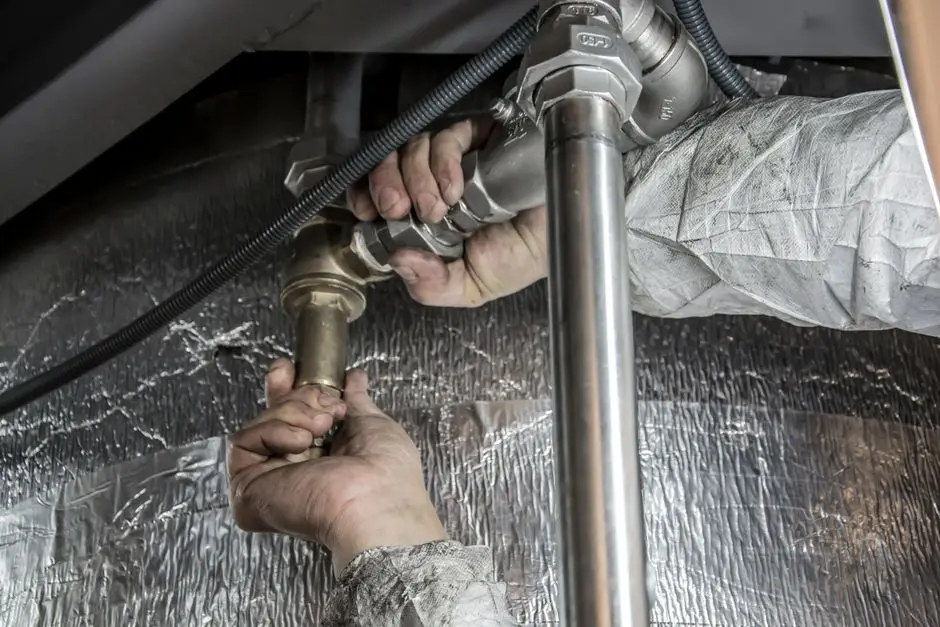
- Burst line replacement — A burst pipe can wet flooring, cabinets, or stored belongings before the leak is noticed. At your St. Helen property, we shut off the affected supply, remove the damaged material, install a compatible replacement, and inspect the joint. We restore pressure in stages and check for leaks before finishing.
- Seasonal property protection — If you close a St. Helen cabin or seasonal home, we can inspect vulnerable plumbing and discuss a safe shutdown or protection plan. We check exposed runs, insulation, and the water-entry area, then explain which measures fit the building. That helps you prepare before the property sits through a long freeze.
- Insulation and heat protection — We protect exposed lines in garages, crawlspaces, and utility areas with suitable insulation and approved heat protection. At St. Helen homes, the installation must match the pipe route and available power. We check the line first, correct damaged sections, and then install protection so it does not conceal an existing leak.