Residential Frozen Pipe Repair in St. Louis
St. Louis homes range from older houses with established basement plumbing to remodeled properties where new fixtures connect to older pipe runs. During a Michigan cold spell, the vulnerable point may be a crawl space, exterior wall, garage, or service entry rather than the room where water stops. We ask which fixtures are affected, whether the home has a basement or well, and where you can access the shutoff. Then we locate the blockage, check for a split, and repair or thaw the pipe. Our aim is to return water safely and leave you knowing what failed and what needs protection before the next freeze.
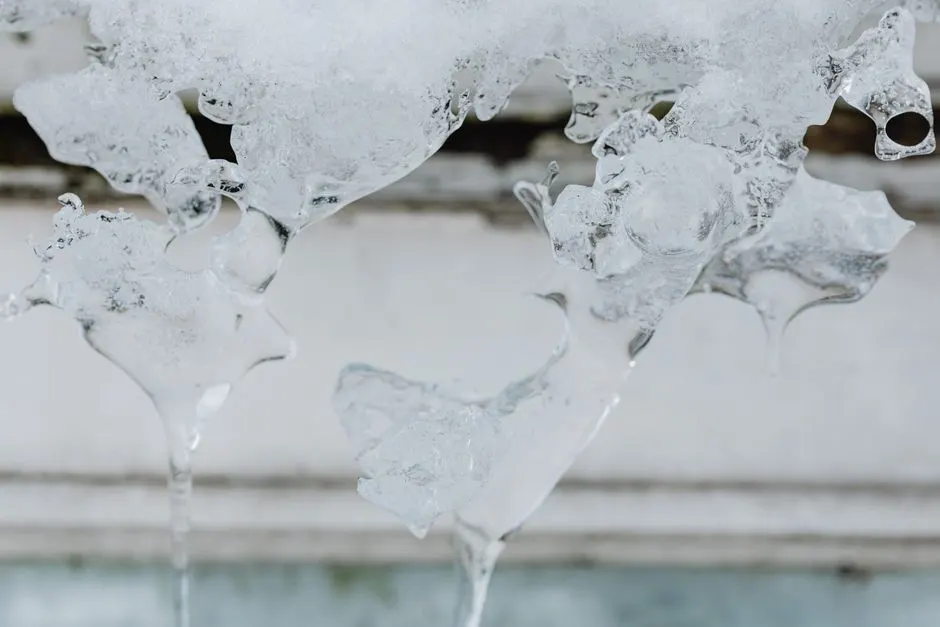
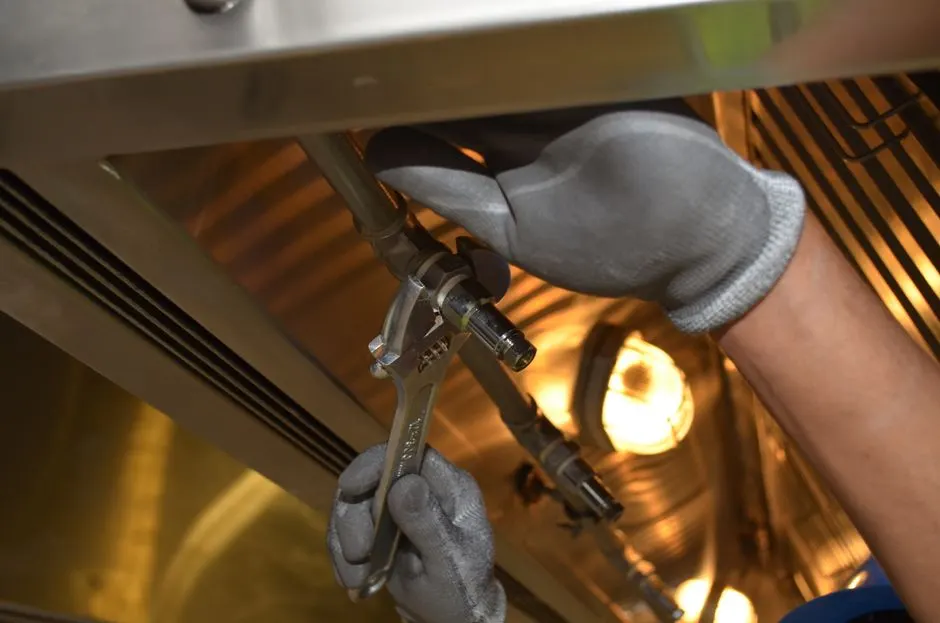
- Emergency home pipe thawing — When a St. Louis kitchen, bathroom, or laundry tap stops during a freeze, we trace the affected branch and check for damage before thawing. We restore flow gradually and inspect joints for leaks. If a pipe has split, we replace the damaged section instead of leaving you with a temporary thaw and an active risk.
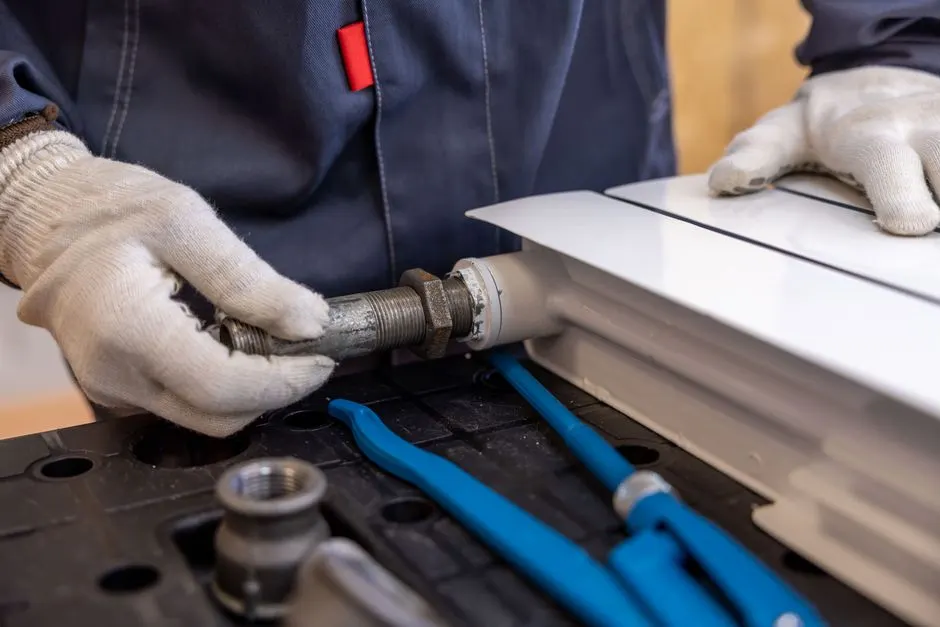
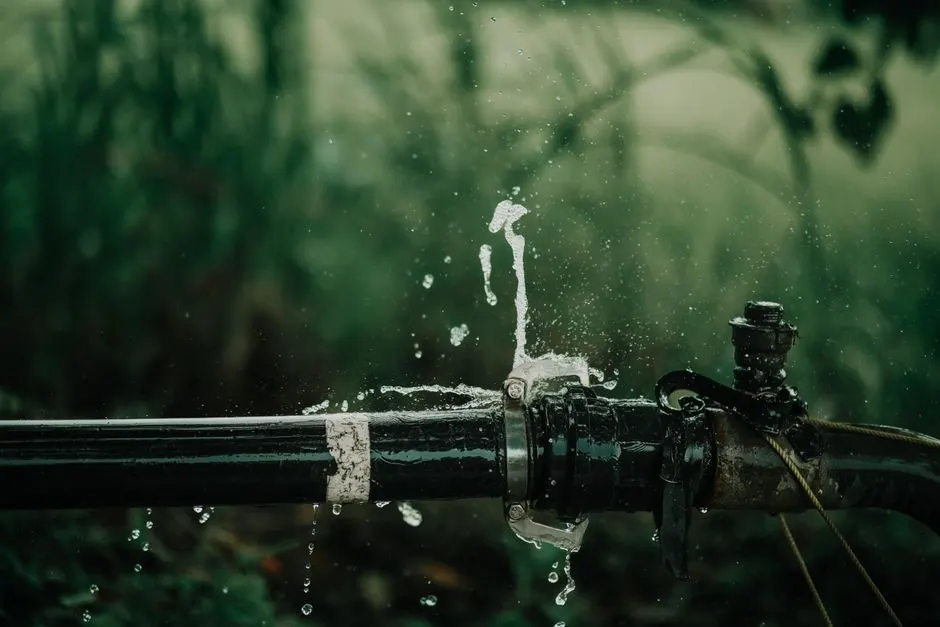
- Burst pipe replacement — A burst pipe in a St. Louis home needs the water isolated and the damaged section replaced with compatible materials. We protect the immediate work area, remove failed pipe and fittings, reconnect the line, and check for leakage under restored pressure. If water is standing nearby, we remove accessible water from the repair area.
- Well and service line checks — If every tap at your St. Louis property is dry, we check whether the problem is in an indoor branch, incoming service line, or accessible well piping. Identifying the right section avoids treating the wrong part of the system. After repair, we verify flow and pressure at fixtures before returning the system to normal use.
- Pipe insulation and heat protection — We inspect exposed pipes in St. Louis basements, crawl spaces, garages, and utility rooms for missing insulation or failed heat protection. Once the freeze repair is complete, we can install suitable insulation or heat cable for the pipe and location. We also point out drafts that keep the same area vulnerable.